


Concept2 RowErg vs Hydrow: Which Rowing Machine Actually Wins in 2026?
Updated: Mar 26, 2026
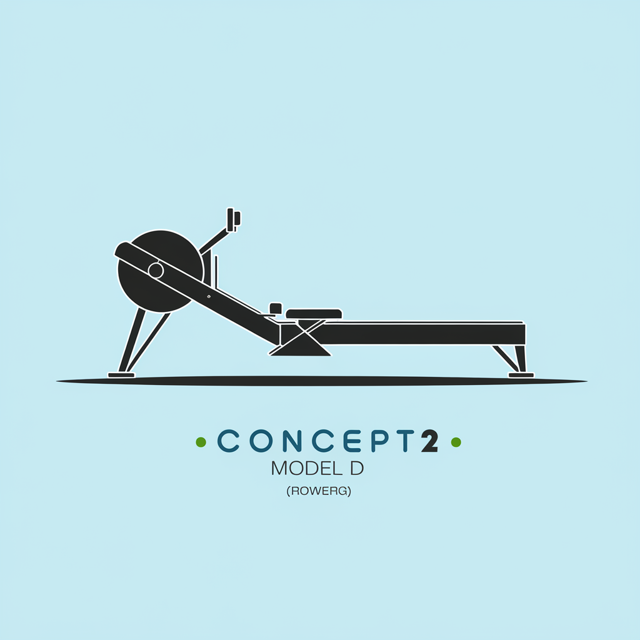
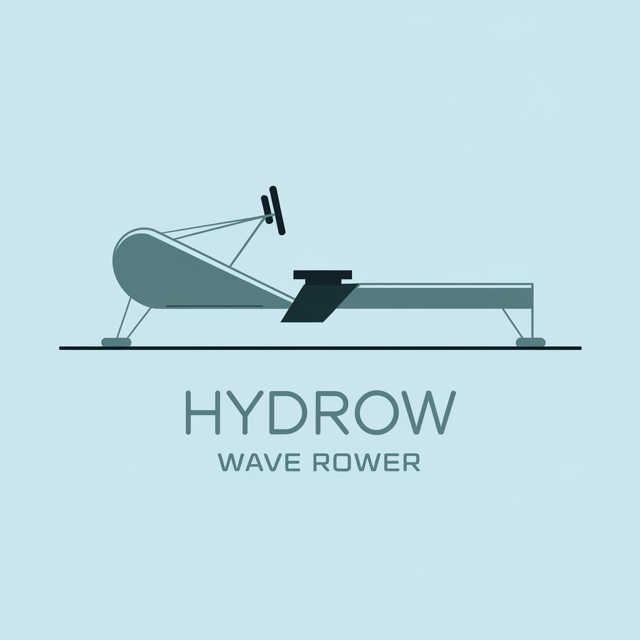
| Specification | Concept2 RowErg (Model D) | Hydrow Wave Rower |
|---|---|---|
| Resistance Type | Air resistance, infinite scaling | Electromagnetic resistance, 300 levels |
| Noise Level | Moderate (fan whoosh at ~85-90 dB peak) | Very quiet (electromagnetic, ~65 dB peak) |
| Dimensions | 96" x 24" x 14" | 80" x 19" x 43" |
| Stored Size | 25" x 33" x 54" (splits in two) | 26" x 19" x 47" (folds upright) |
| Weight | 57 lbs | 102 lbs |
| Max User Weight | 500 lbs | 375 lbs |
| Monitor | PM5 -- splits, watts, stroke rate, HR, distance | 16" HD touchscreen (fixed, no pivot) |
| Subscription Required | No -- $0/month | Yes -- $50/month |
| Warranty | 5-year frame, 2-year parts | 5-year frame, 1-year parts |
What the Community Says
Concept2 RowErg (Model D)
Universal data standard -- your splits mean the same thing on every Concept2 in the world. Syncs with Strava, ErgData, Garmin, and every major fitness app. No subscription ever.
The air resistance produces a noticeable whoosh at 85-90 dB peak. Apartment dwellers rowing at 6am will hear about it from neighbors.
Serious rowers, CrossFitters, HYROX athletes, data trackers, and anyone who wants a machine that lasts 20+ years without a monthly bill.
Hydrow Wave Rower
Nearly silent electromagnetic resistance and genuinely engaging coached workouts filmed on real water. The content keeps people rowing who would otherwise quit.
The $50/month subscription adds up fast -- over 3 years you'll spend $1,800 on top of the machine cost. Without it, the rower barely functions.
Beginners who need motivation, apartment dwellers who need silence, and people who thrive on guided classes and scenic content.
This Is the Most Argued Comparison in Home Rowing
Ask any rowing forum which machine to buy and you'll get two camps screaming at each other. The Concept2 loyalists who think paying monthly for a rowing machine is insane. And the Hydrow fans who say the Concept2 is a boring industrial relic. Both have a point, honestly. But the numbers tell a story that cuts through the noise.
The Concept2 RowErg runs $990 with zero ongoing costs. The Hydrow Wave costs $1,995 plus $50 every single month. Over three years of ownership, that gap becomes enormous -- and we'll break down exactly how enormous in a second.
The Cost Nobody Talks About Upfront
Rowing Related published a detailed 3-year cost analysis that should be required reading before buying either machine. Here's what the ownership math actually looks like:
The Concept2 RowErg costs roughly $1,040 total over three years (machine plus shipping). The Hydrow Wave hits $3,795 over the same period once you factor in the $50/month subscription. That's $1,800 in subscription fees alone.
Put differently: if you row three times per week for three years, that's 468 sessions. The Concept2 costs about $2.22 per workout. The Hydrow Wave costs $8.12 per workout.
Now, there's a counterargument worth hearing. If the Hydrow's classes keep you rowing five days a week instead of the Concept2 gathering dust after month two, the per-workout math shifts dramatically. Motivation has real dollar value. But you need to be honest with yourself about which camp you fall into.
Noise: The Apartment Dealbreaker
Dark Horse Rowing's Shane Farmer measured both machines and found a significant gap. The Hydrow peaked at 65-67 decibels during hard rowing -- roughly the volume of a normal conversation. The Concept2 hit 85-90 decibels at peak effort, which is closer to a lawnmower than casual chatter.
That difference matters more than you think. In a house with a dedicated gym room, the Concept2's whoosh is background noise. In an apartment with thin walls and a downstairs neighbor, it's a relationship-ending sound at 6am. One reviewer from Apartment Rowers tested noise transmission through typical laminate-over-concrete construction and found the Concept2 transmitted 68% more low-frequency vibration through subfloors than electromagnetic rowers.
The practical takeaway: the Concept2 is safe to use between roughly 9am and 8pm in most apartments. Add a half-inch sound mat and you can stretch that to 7am. The Hydrow? You can row at basically any hour without anyone knowing.
What the Rowing Community Actually Says
Concept2: The Internet's Default Answer
Go to r/rowing, r/crossfit, or any fitness subreddit and ask what rower to buy. You already know the answer. "Concept2" gets repeated like a mantra, and for good reason.
The PM5 monitor is the universal standard for indoor rowing. A 2:00 split on a Concept2 in your garage means the same thing as a 2:00 split at a national training center. Every World Rowing Indoor Championships event, every CrossFit Games erg test, every HYROX competition -- they all use Concept2. That data comparability doesn't exist on any other machine.
The recurring complaints are predictable: the plastic seat gets uncomfortable after 30 minutes (most experienced users consider a $20 seat pad a required accessory), the industrial look won't win any design awards, and the air resistance is louder than people expect. None of these are dealbreakers for anyone who cares about the actual rowing.
Resale value is another quiet advantage. Used Concept2s routinely sell for $700-850, even machines that are 10+ years old. That's a retention rate you don't see in fitness equipment.
Hydrow Wave: The Motivation Machine
The Hydrow side has a different argument entirely, and it's not wrong. The content is genuinely good. Professional rowers coach you through workouts filmed on rivers and coastlines around the world. The production quality is a tier above what Peloton offers for cycling, and the coaching goes beyond generic motivation -- you get actual technique cues from Olympic-level athletes.
But the complaints are consistent too. That 16-inch fixed screen gets compared unfavorably to the full-size Hydrow Origin's 22-inch pivoting display. If you want to do off-rower exercises (yoga, strength), you're craning your neck at a small screen that doesn't move. The 2-roller seat system is functional but noticeably less smooth than the Origin's 10-roller setup. And the subscription dependency drives people crazy -- without it, you're left with a basic "Just Row" mode that feels like a stripped-down shell of the machine you paid for.
One specific complaint from multiple Reddit threads: the Hydrow's electromagnetic resistance feels different from air resistance. It's smoother and quieter, but it lacks the natural acceleration curve that air rowers provide. Experienced rowers notice this immediately. If you've rowed on water or used a Concept2 at a gym, the Hydrow stroke will feel slightly "off" -- not bad, just different.
The Build Quality Gap
The Concept2 has been around for decades. Machines from the 1990s are still being rowed daily. The frame is steel and aluminum, the chain is nickel-plated, and replacement parts for literally everything are available and cheap. Maintenance is a five-minute job: wipe the rail weekly, oil the chain monthly, and that's it. The 57-pound weight means one person can move it, separate it into two pieces, and store it in a closet.
Treadmill Review Guru noted in their comparison that the Concept2 doesn't require electricity, doesn't need WiFi, and the PM5 runs on batteries. If your internet goes down, your rowing session doesn't. If the power goes out, your Concept2 still works. That self-sufficiency matters more than people realize until they don't have it.
The Hydrow Wave at 102 pounds is still manageable for most people, and it stores vertically without a separate kit (unlike the larger Hydrow Origin). But it requires both power and WiFi to function at full capacity. The electromagnetic system is solid but newer -- there's no 20-year track record to point to. The 5-year frame warranty matches the Concept2, but parts coverage drops to just one year versus two.
The Hybrid Approach Nobody Mentions
Here's something quietly gaining traction in the rowing community. Several reviewers, including the team at Rowing Related, have pointed out that you can buy a Concept2 ($990) and subscribe to the Hydrow app ($19.99/month on a separate device) for roughly half the cost of owning a Hydrow Wave. You get the best hardware in the industry paired with solid guided content.
It's not identical to the Hydrow experience -- you're propping a tablet on the PM5 rather than using an integrated screen -- but the workout quality is comparable. And if you ever cancel the app, you still have a fully functional $990 machine with no degraded capability.
The Verdict
This comparison always comes back to one question: what actually keeps you rowing?
The Concept2 RowErg is the objectively better rowing machine. Better data, better durability, better value, better resale, better weight capacity. If you care about performance tracking, competitive rowing, or simply want equipment that works in 20 years the way it works today, there's no real debate.
The Hydrow Wave is the better motivation tool. The content is genuinely engaging, the noise level is genuinely lower, and the guided experience genuinely helps beginners build a habit. That matters. The best rowing machine is the one you actually use.
For most people reading comparison articles at 11pm trying to decide? Start with the Concept2. It's half the upfront cost, zero ongoing cost, and if you find you need more motivation, add the Hydrow app for $20/month. You can always sell the Concept2 for $800 later if you decide guided content is essential -- but you can't get $3,795 back from a Hydrow you stopped subscribing to.
Treadmill Review Guru's side-by-side comparison covers the major differences in resistance feel, noise, screen, storage, and build quality between the two machines.
Dark Horse Rowing's Shane Farmer measured actual decibel levels during rowing and breaks down the resistance feel differences that experienced rowers notice.
As an Amazon Associate I earn from qualifying purchases.
Follow Us
All Rights Reserved © 2026