


Hydrow Wave vs Concept2 for Apartments: Which Rower Won't Get You Evicted?
Updated: Mar 26, 2026
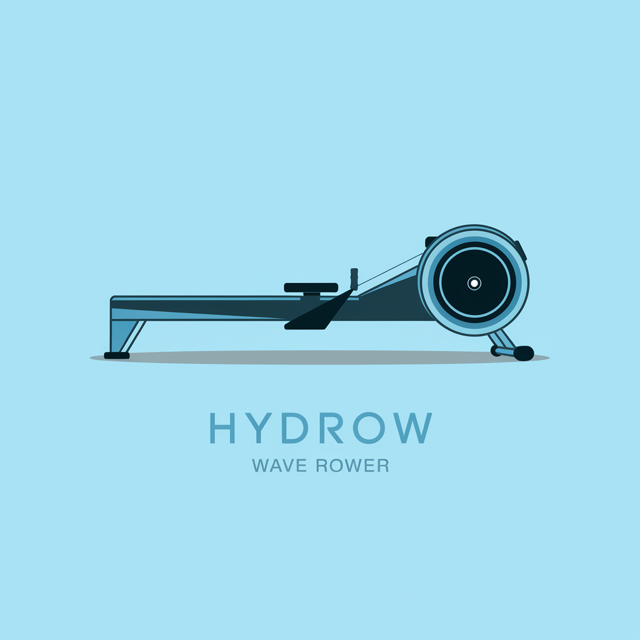
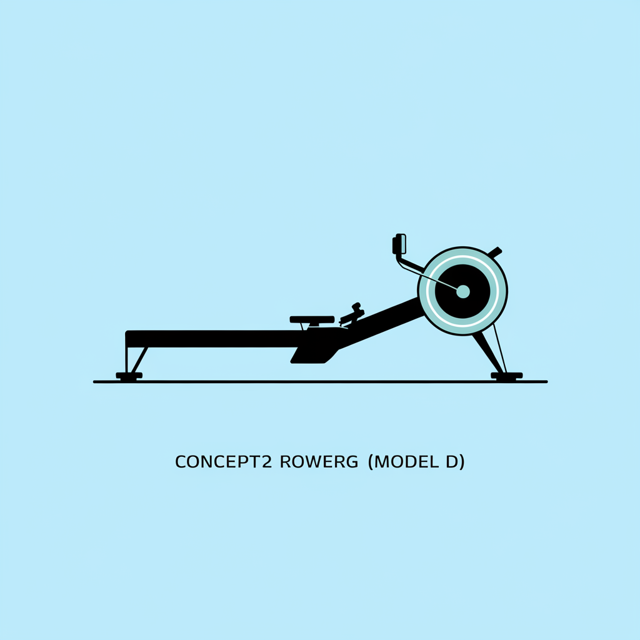
| Specification | Hydrow Wave Rower | Concept2 RowErg (Model D) |
|---|---|---|
| Resistance Type | Electromagnetic, 300 levels | Air resistance, infinite scaling |
| Noise Level | Very quiet (~65 dB peak) | Moderate-loud (~85-90 dB peak) |
| Dimensions | 80" x 19" x 43" | 96" x 24" x 14" |
| Stored Size | 26.5" x 30" x 82" (vertical) | 25" x 33" x 54" (splits in two) |
| Footprint In Use | 10.5 sq ft | 16 sq ft |
| Weight | 102 lbs | 57 lbs |
| Max User Weight | 375 lbs | 500 lbs |
| Vibration Transmission | Minimal (electromagnetic) | Significant (steel legs on floor) |
| Subscription | $50/month required | $0/month |
| Power Requirements | Wall outlet + WiFi | None (battery-powered monitor) |
What the Community Says
Hydrow Wave Rower
Nearly silent operation lets you row at 6am without anyone downstairs knowing. The compact 80-inch frame and vertical storage were designed specifically for tight spaces.
At 102 lbs with no separation option, moving it through narrow apartment hallways and doorways is a wrestling match. Plus the $50/month subscription makes it the most expensive machine to own long-term.
Apartment dwellers who need absolute silence, want guided workouts, and have a wall outlet near their rowing spot.
Concept2 RowErg (Model D)
At 57 lbs, one person can split it into two pieces and slide them into a closet in under 45 seconds. No electricity, no WiFi, no subscription. The machine just works.
The air resistance whoosh at 85-90 dB peak will transmit through thin apartment walls and floors. You need a sound mat, and even then, early morning sessions are risky.
Apartment dwellers who prioritize storage flexibility and budget over absolute silence, especially those with dedicated closet space for a two-piece machine.
The Apartment Test That Actually Matters
Most rowing machine comparisons test these machines in garages and home gyms. That's useless if you live in a 600-square-foot apartment with a neighbor below you who works night shifts.
For apartment dwellers, three things matter more than resistance curves and monitor features: How loud is it through walls and floors? How fast can you set it up and put it away? And will you actually use it five days a week in a space where it's always in the way?
This comparison focuses exclusively on those questions.
Noise Transmission: The Numbers That Matter
Raw decibel measurements only tell half the story. What your neighbors actually hear depends on vibration transmission through your specific floor construction.
Dark Horse Rowing's Shane Farmer measured the Hydrow at 65-67 dB during hard rowing and the Concept2 at 85-90 dB at peak effort. That's a massive gap -- the Concept2 is roughly four times louder in perceived volume (decibels are logarithmic, so a 20 dB difference is significant).
But Apartment Rowers went deeper, measuring vibration transmission on typical laminate-over-concrete construction. The Concept2's steel rear legs transmitted 68% more low-frequency energy to subfloors than the Hydrow's electromagnetic system. Low-frequency vibration travels farther through building structures than high-frequency sound. Your downstairs neighbor might not hear the Concept2's whoosh, but they'll feel the rhythmic thudding through the floor.
The Hydrow's electromagnetic resistance generates negligible vibration -- less than 15% of the Concept2's transmission in the same testing conditions. The loudest thing about a Hydrow session is usually the instructor's voice coming through the speakers.
Usable Time Windows
This is the metric apartment dwellers actually care about: when can you row without a complaint?
-
Hydrow Wave: Safe from 7am to 10pm in most buildings. The electromagnetic resistance is quiet enough that only extremely sensitive neighbors would notice. Main concern at night is screen brightness in studio apartments, not noise.
-
Concept2 RowErg (no mat): Safe from 9am to 8pm. The fan whoosh carries through walls during quiet hours.
-
Concept2 RowErg (with sound mat): Safe from 7am to 8pm. A half-inch rubber mat reduces vibration transmission significantly but doesn't eliminate the airborne noise.
If you row at 6am before work -- which is when most apartment dwellers actually want to row -- the Hydrow is the only option that won't generate complaints.
Storage Workflow: The 90-Second Rule
Research from Apartment Rowers found that if your total setup-to-storage workflow exceeds 90 seconds, the abandonment risk of any piece of fitness equipment increases by 300%. In a small apartment, the friction of getting a machine out and putting it away determines whether you use it or let it collect dust.
Concept2 Storage Workflow
- Pop the framelock (no tools needed)
- Separate the rail from the flywheel
- Lean both pieces against a wall or slide into a closet
- Total time: 38-45 seconds in practical testing
The Concept2 wins here decisively. At 57 pounds, one person handles the entire process easily. The two pieces fit into spaces that a single long machine never could -- a closet, behind a couch, alongside a bookshelf. The light weight means you can realistically do this every single day without it feeling like a chore.
Hydrow Wave Storage Workflow
- Roll the machine (front casters) to storage position
- Tip the machine vertical using the Wave Anchor system
- Secure against wall
- Total time: 22-35 seconds for the tilt, but the initial positioning adds time
The Hydrow Wave was designed for vertical storage and does it well. The stored footprint is about 26.5 x 30 inches -- smaller than a nightstand. But at 102 pounds, tilting it upright takes real effort, and you need a wall anchor point (sold separately) for safety. Moving it across carpet is harder than on hard floors, and navigating through narrow doorways with a 102-pound machine gets old fast.
There's also a hidden constraint: the Hydrow needs both a power outlet and WiFi to function. That limits where in your apartment you can set it up. The Concept2 works anywhere -- no outlet, no WiFi, no constraint.
The Footprint Reality Check
During use, the Hydrow Wave needs about 10.5 square feet of floor space (80 x 19 inches). The Concept2 needs about 16 square feet (96 x 24 inches). In a small apartment, that 5.5 square foot difference is meaningful -- it's the difference between fitting the machine alongside your couch or needing to move furniture.
The Hydrow is also 16 inches shorter in length. In a studio apartment where every inch of wall space matters, 80 inches fits where 96 inches doesn't.
But storage tells a different story. The Concept2's two-piece separation creates pieces small enough to genuinely hide -- behind a door, under a bed frame, in a coat closet. The Hydrow's vertical storage is compact but visible. At 82 inches tall when stored, it's a presence in any room.
What Apartment Reviewers Actually Recommend
Apartment Rowers tested all three premium rowers (Concept2, WaterRower, Hydrow) in a 38-square-meter studio apartment and picked the Concept2 for daily use -- "not because it's quietest, but because its storage mechanics created zero compromise. I could slide it between couch and bookshelf in 38 seconds, measure folding depth to 25 inches, and trust its noise wouldn't breach my downstairs neighbor's sleep window with a basic mat."
Their reasoning was practical: storage friction matters more than noise for long-term consistency. If a machine is annoying to put away, you'll stop putting it away. Then it becomes a permanent obstacle in your living space. Then you stop using it. Then it goes on Facebook Marketplace.
That said, they acknowledged the noise trade-off: "The Hydrow's compact storage depth was tempting, but its 35-second setup/teardown created too much friction for 5-day/week use."
The Subscription Factor in Small Spaces
Here's something apartment-specific that rarely gets discussed: the Concept2 works offline. No WiFi, no power outlet, no account, no subscription. You pull the handle and it responds. That matters in apartments where your router is in the bedroom, your only outlet near the rowing spot is behind the couch, or your landlord's internet is unreliable.
The Hydrow requires both WiFi and wall power. Without its subscription ($50/month), you're limited to a basic "Just Row" mode with no guided content, no workout history, and minimal screen functionality. The machine was designed around that content -- removing it is like buying a smart TV and only using the HDMI input.
Over three years, the subscription adds $1,800 to the Hydrow's cost. Combined with the higher machine price, you're looking at roughly $3,795 total versus $1,040 for the Concept2. In a phase of life where you're living in an apartment (and possibly budgeting accordingly), that gap is hard to ignore.
The Floor Protection You Need Either Way
Regardless of which machine you choose, invest in a floor mat. Not just for noise -- for protecting your apartment's floors.
Both machines will mark hardwood and scratch laminate over time. The Concept2's separation process (tilting, sliding pieces) creates contact points that wear flooring. The Hydrow's casters and weight leave pressure marks on soft surfaces.
A basic 3/4-inch rubber mat ($30-50) solves both problems and, for the Concept2, meaningfully reduces vibration transmission to downstairs neighbors. It's not optional equipment for apartment rowing -- it's required.
The Verdict for Apartments Specifically
Get the Hydrow Wave if: noise is your absolute top priority, you row primarily during early morning hours, you have a dedicated wall outlet near your rowing spot, and the subscription cost doesn't stress your budget. The near-silent operation is a genuine game-changer for shared-wall living. The coached workouts are excellent for building a consistent habit.
Get the Concept2 if: you want the most practical daily storage workflow, you have closet space for a two-piece machine, you're budget-conscious, and you can live with the noise constraints (rowing between 7am-8pm with a mat). The Concept2's light weight and separability make it the easiest machine to live with day-to-day in a small space.
The honest answer for most apartment dwellers: if you can only row during standard waking hours and you have a closet, get the Concept2 and spend $45 on a good rubber mat. You'll save $2,755 over three years compared to the Hydrow Wave, and the storage workflow is genuinely easier despite what the "designed for apartments" marketing suggests.
If you need to row at 5:30am before the building wakes up, the Hydrow is the only premium option that works. In that specific scenario, the extra cost buys you something the Concept2 can't offer at any price: silence.
Dark Horse Rowing's Shane Farmer directly measures decibel levels on both machines and compares the rowing feel, storage, and practical differences.
As an Amazon Associate I earn from qualifying purchases.
Follow Us
All Rights Reserved © 2026